
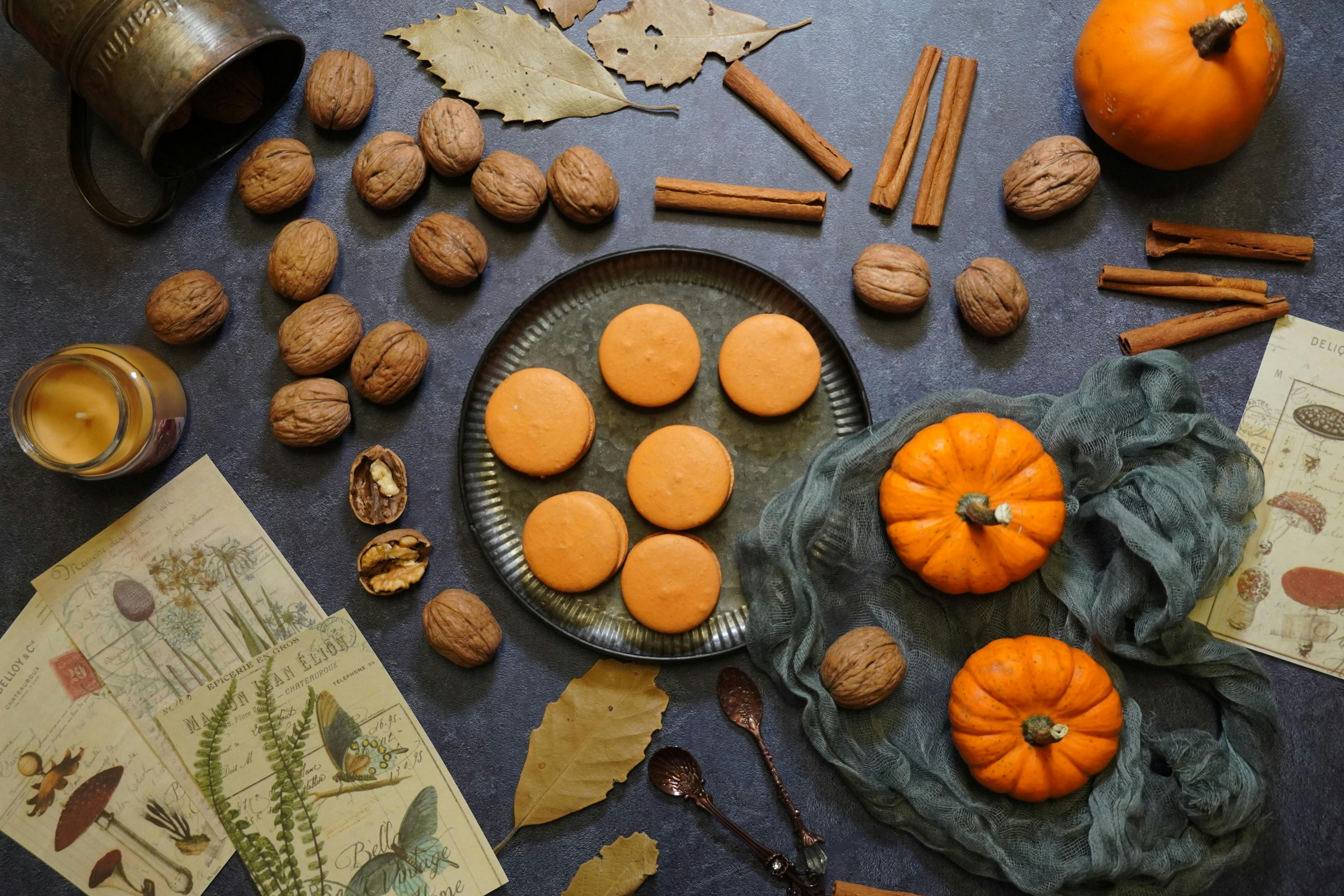
Honouring the Autumn Equinox in the Southern Hemisphere
Mabon marks the Autumn Equinox, a moment of balance when day and night stand equal before the darker half of the year gradually takes hold. Here in Australia and across the Southern Hemisphere, this turning point falls between 20th and 23rd March, as the warmth of summer softens and the first true signs of autumn begin to appear.
Within the Wheel of the Year, Mabon is a harvest festival. A time to pause, reflect, and give thanks for the abundance gathered during the year. It is a quiet and thoughtful celebration, inviting us to acknowledge what we have grown, what we have learned, and what we are ready to release as the seasons shift.
Where spring and summer bring outward growth and energy, autumn invites us to slow down and turn inward, shifting gently from activity into reflection.
Mabon reminds us that nature moves in cycles, and so do we.
Mabon in the southern hemisphere
Most traditional writings about the Wheel of the Year are based on the Northern Hemisphere seasonal calendar, where Mabon is celebrated around the September Equinox.
Here in Australia and across the Southern Hemisphere, our seasons are reversed. This means the Autumn Equinox, and therefore the celebration of Mabon, occurs between 20th and 23rd March, bringing the same harvest energy that Northern Hemisphere traditions associate with September and the early weeks of autumn.
Although the calendar dates differ, the symbolism remains the same. Mabon is still a festival of gratitude, balance, and harvest.
By observing the Wheel of the Year in alignment with our local seasons, we honour the rhythms of the land we live on and the natural cycles unfolding around us.
The Symbolism of Mabon
Mabon carries the energy of gratitude, harvest, and seasonal balance.
It is a time to honour the work that has brought us to this point in the year. Not just the visible achievements, but also the lessons, growth, and personal transformations that may have unfolded quietly beneath the surface.
Just as our farmers are gathering their autumn crops before winter arrives, Mabon encourages us to take stock of our own harvest.
Ask yourself:
- What has flourished in my life this year?
- What lessons have I gathered along the way?
- What am I ready to release as the darker months approach?
This moment of reflection allows us to acknowledge the year’s blessings while preparing for the slower, more introspective season ahead.
Mabon correspondences
These seasonal correspondences can be used when creating an altar, performing a ritual, or simply bringing the spirit of the season into your home.
| CATEGORY | CORRESPONDENCES |
| Season | Autumn / Second Harvest |
| Sabbat Date (Southern Hemisphere) | Around 20-23 March |
| Sabbat Date (Northern Hemisphere) | Around 20-23 September |
| Themes | Balance, gratitude, harvest, reflection, preparation for the darker months |
| Colours | Deep red, burnt orange, rust, gold, brown, forest green |
| Crystals | Carnelian, Citrine, Tiger’s Eye, Smokey Quartz, Amber |
| Herbs & Plants | Cinnamon, clove, nutmeg, patchouli, frankincense, sandalwood |
| Foods | Apples, pumpkins, squash, root vegetables, bread, honey, nuts, grains |
| Symbols | Apples, acorns, grapes, wheat, pumpkins, baskets, fallen leaves |
| Flowers | Sunflowers, banksias, kangaroo paw, chrysanthemums |
| Animals | Deer, fox, squirrel, owl, kangaroo, wombat, possum |
| Element | Earth |
| Planetary Energy | Sun and Venus (gratitude, abundance, harmony) |
| Candle Colours | Orange, brown, red, gold |
| Activities | Creating seasonal altars, gratitude rituals, sharing food, harvesting, reflecting on the year |

Colours
- Deep Red
- Burnt Orange
- Rust
- Gold
- Brown
- Forest Green
These colours reflect the rich tones of autumn leaves, harvest fields, and the setting sun.

Crystals
- Carnelian – vitality and confidence
- Citrine – abundance and gratitude
- Tiger’s eye – balance and grounding
- Smokey Quartz – release and protection
- Amber – warmth and ancient wisdom

Herbs & Oils
- Cinnamon
- Clove
- Nutmeg
- Patchouli
- Frankincense
- Sandalwood
These scents carry the warm, earthy aroma of the harvest season.

Symbols
- Apples
- Acorns
- Grapes
- Wheat or grains
- Pumpkins
- Fallen leaves
- Baskets or harvest bowls
These common symbols of Mabon represent abundance, nourishment, and the gathering of the harvest before winter arrives.
Animal Symbolism at Mabon
In many traditional pagan texts, the animals most commonly associated with Mabon include deer, fox, squirrel, and owl. These creatures symbolise the themes of the harvest season: preparation, gathering, intuition, and the gradual turning toward the darker half of the year.
There is absolutely nothing wrong with working with these traditional animal symbols in the Southern Hemisphere. Symbolism often transcends geography, and many practitioners continue to use these animals within their seasonal rituals and altar spaces.
However, if you feel drawn to integrate the wildlife of your own environment into your practice, you may also choose animals that reflect the land where you live. Observing the creatures that move through your local landscape can be a meaningful way to deepen your connection with the rhythms of nature.
In Australia, animals such as the kangaroo, wombat, possum, and owl can represent similar qualities of grounding, adaptability, intuition, and seasonal awareness.
Kangaroo – Represents strength, movement forward, and resilience. Kangaroos are strongly tied to the Australian landscape and seasonal rhythms.
Wombat – A symbol of grounding, patience, and quiet strength, fitting the earthy energy of autumn.
Possum – Connected to adaptability, preparation, and resourcefulness, much like animals preparing for seasonal change.
Owl – Symbolise wisdom, intuition, and the turning toward the darker half of the year. Australian owls include Masked Owl, Barn Owl and Boobook Owl, to name a few.
Kookaburra – Often associated with sunlight and the rhythm of day and night, fitting the equinox theme.
Candle Colours for Mabon

Candles are a simple and beautiful way to honour the equinox. Some traditional colours include:
- Orange – gratitude and abundance
- Brown – grounding and connection to the earth
- Red – life force and vitality
- Gold – harvest blessings and solar energy
Lighting a candle at sunset on the equinox is a simple way to honour the meeting of light and darkness.
Creating a Mabon Altar
An altar for Mabon doesn’t need to be elaborate. Even a small corner of a table or shelf can become a seasonal space of reflection.
You might include:
- An orange, green or gold altar cloth
- Apples, pears, grapes or other seasonal fruit in a wooden bowl.
- Small pumpkins
- Fallen leaves, acorns or eucalyptus flower caps collected on a walk (I like to collect the beautiful red flower caps from the Red-Capped Gum tree in our yard.)
- A bowl of nuts or grains
- Autumn flowers – such as Banksia, Grevillia, Eucalyptus, Kangaroo Paw, Crysanthemums, Dahlias
- A candle representing the sun
- Any or all of the crystals mentioned earlier – Carnelian, Citrine, Tiger’s Eye, Smokey Quartz or Amber
- Cloves or cinnamon sticks
Natural materials such as wood, stone, woven baskets, or linen cloths help bring the earthy energy of the season into your space.
Seasonal Foods

Sharing food is one of the most traditional ways to celebrate harvest festivals. Foods commonly associated with Mabon include:
- Apples and apple desserts
- Pumpkin and squash dishes
- Root vegetables – pumpkin, beetroot, sweet potato, carrots
- Fresh bread
- Honey
- Nuts & grains
- Wine, cider or herbal tea
Preparing a meal with seasonal ingredients can become its own quiet ritual of gratitude.
A Simple Mabon Ritual
This gentle ritual can be performed alone or with loved ones.
At sunset on the equinox, light a candle and take a few quiet moments to reflect on the year so far.
Reflect on the experiences, lessons, and blessings that have shaped your journey.
Write down three things you are grateful for. These might be achievements, relationships, personal growth, or moments of joy.
Place your list beneath a stone, leaf, or small object on your altar as a symbol of gratitude for the harvest of your year.
When you are ready, blow out the candle and carry that feeling of gratitude forward into the darker months ahead.
Living the Spirit of Mabon
Celebrating Mabon doesn’t require elaborate rituals or special tools. Often, the most meaningful ways to honour the season are simple and rooted in everyday life.
You might celebrate Mabon by:
- Taking a quiet walk in nature
- Collecting fallen leaves
- Cooking a seasonal meal
- Lighting a candle and reflecting on the year
- Sharing food with family or friends
- Tidying or decluttering your home in preparation for the quieter months ahead
.Like the equinox itself, Mabon reminds us to find harmony between work and rest, giving and receiving, growth and reflection.
As the Wheel of the Year continues to turn, Mabon marks the gentle transition toward the darker months, guiding us slowly toward the reflective season that will culminate in Samhain.
Return to The Grimoire.